European Commissioner Zaharieva visits UvA at Amsterdam Science Park
European Commissioner Zaharieva visits Amsterdam Science Park for quantum and AI developments
16 June 2026
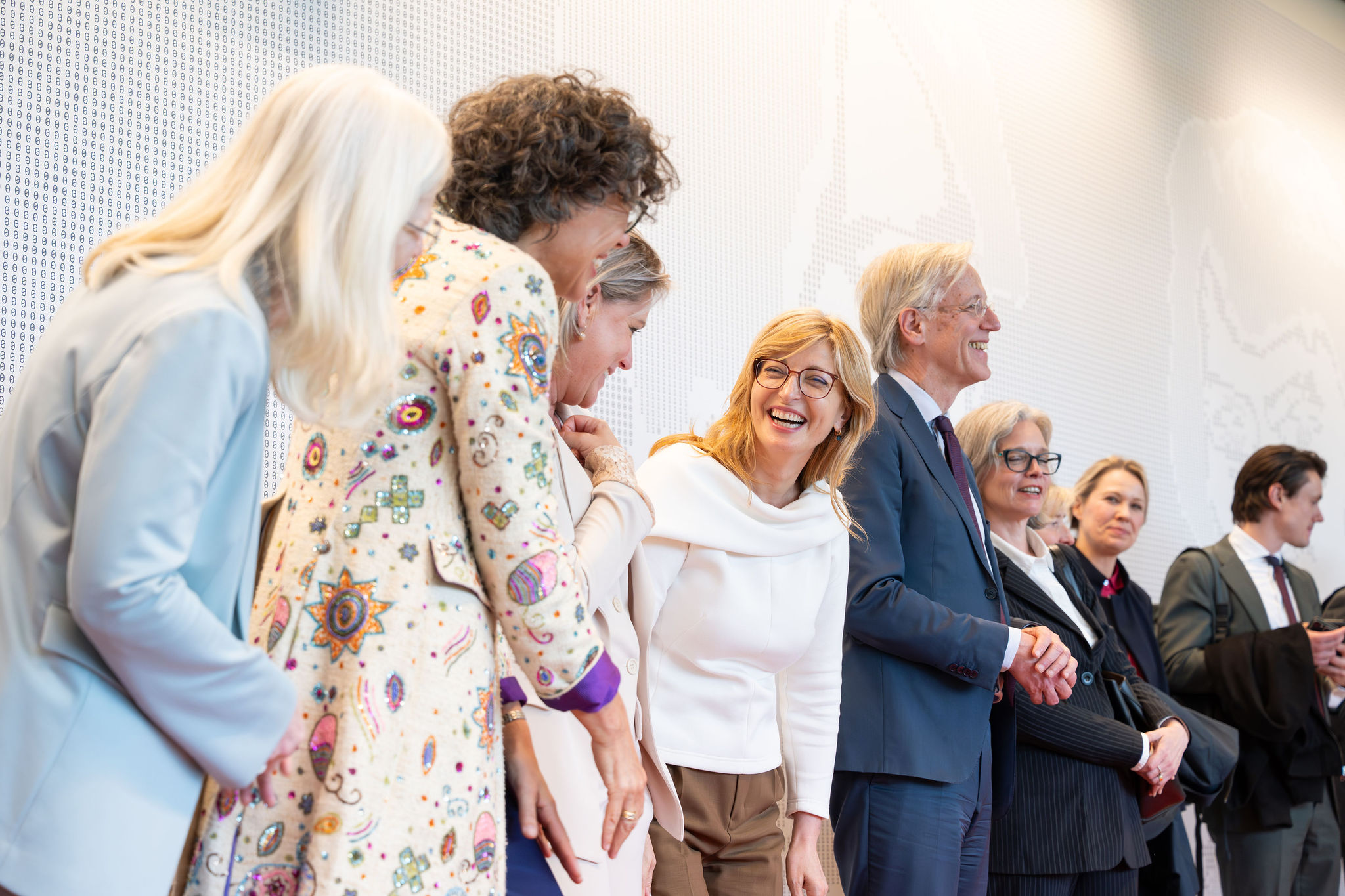
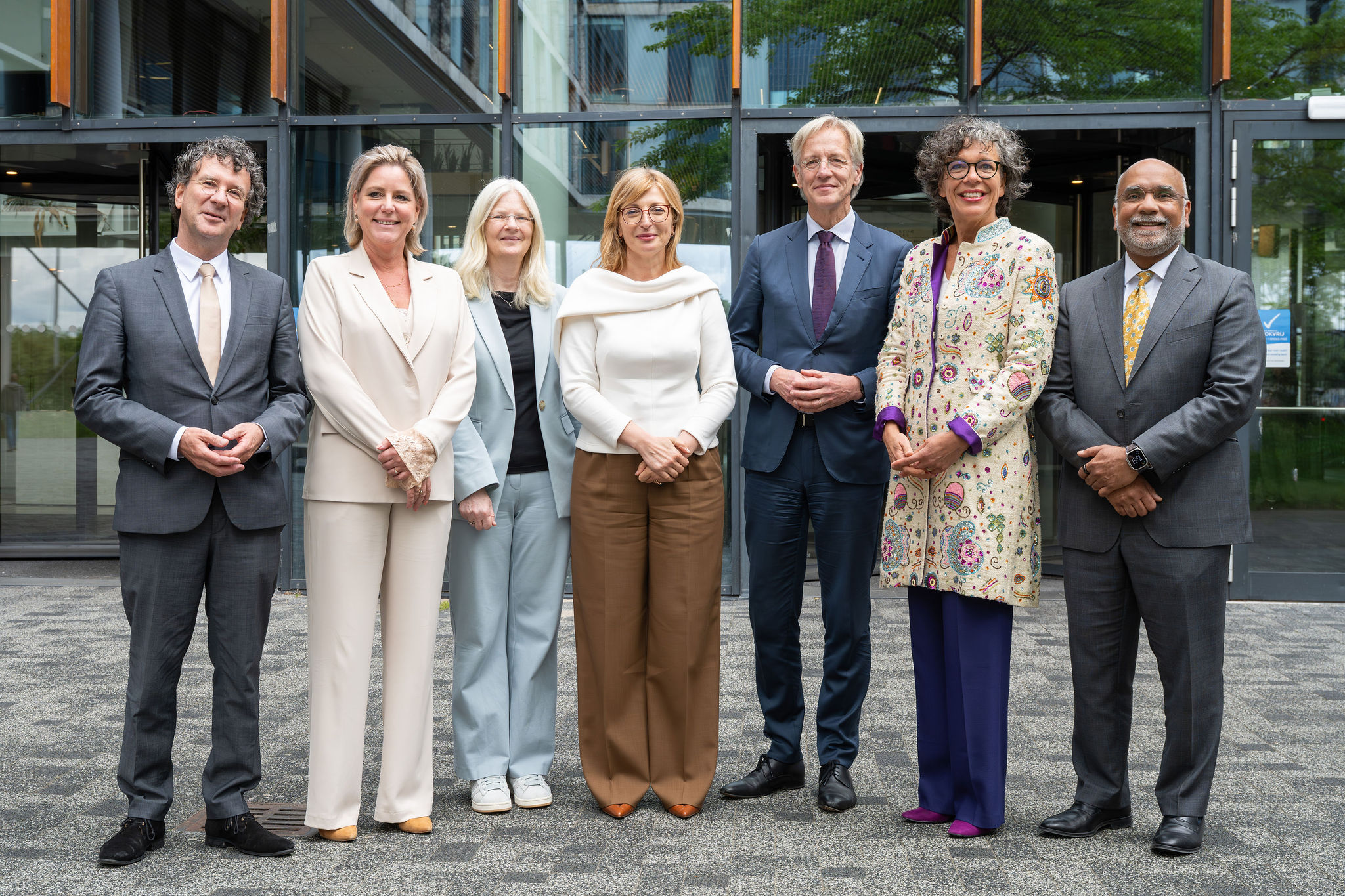
Zaharieva was accompanied by Rianne Letschert, Minister of Education, Culture and Science and Heleen Herbert, Minister of Economic Affairs and Climate. The delegation was received by UvA Rector Magnificus Peter-Paul Verbeek, Dean of Science Susan te Pas, Chair of the UvA Executive Board Vinod Subramaniam, and Professor Robbert Dijkgraaf.
The purpose of her visit to the UvA was to hear directly from researchers and entrepreneurs about the rapidly changing world of quantum technology and AI: what opportunities and risks they see, which innovations are on the horizon, and what preconditions are needed to deploy those developments responsibly and decisively in Europe.
Connecting ecosystems
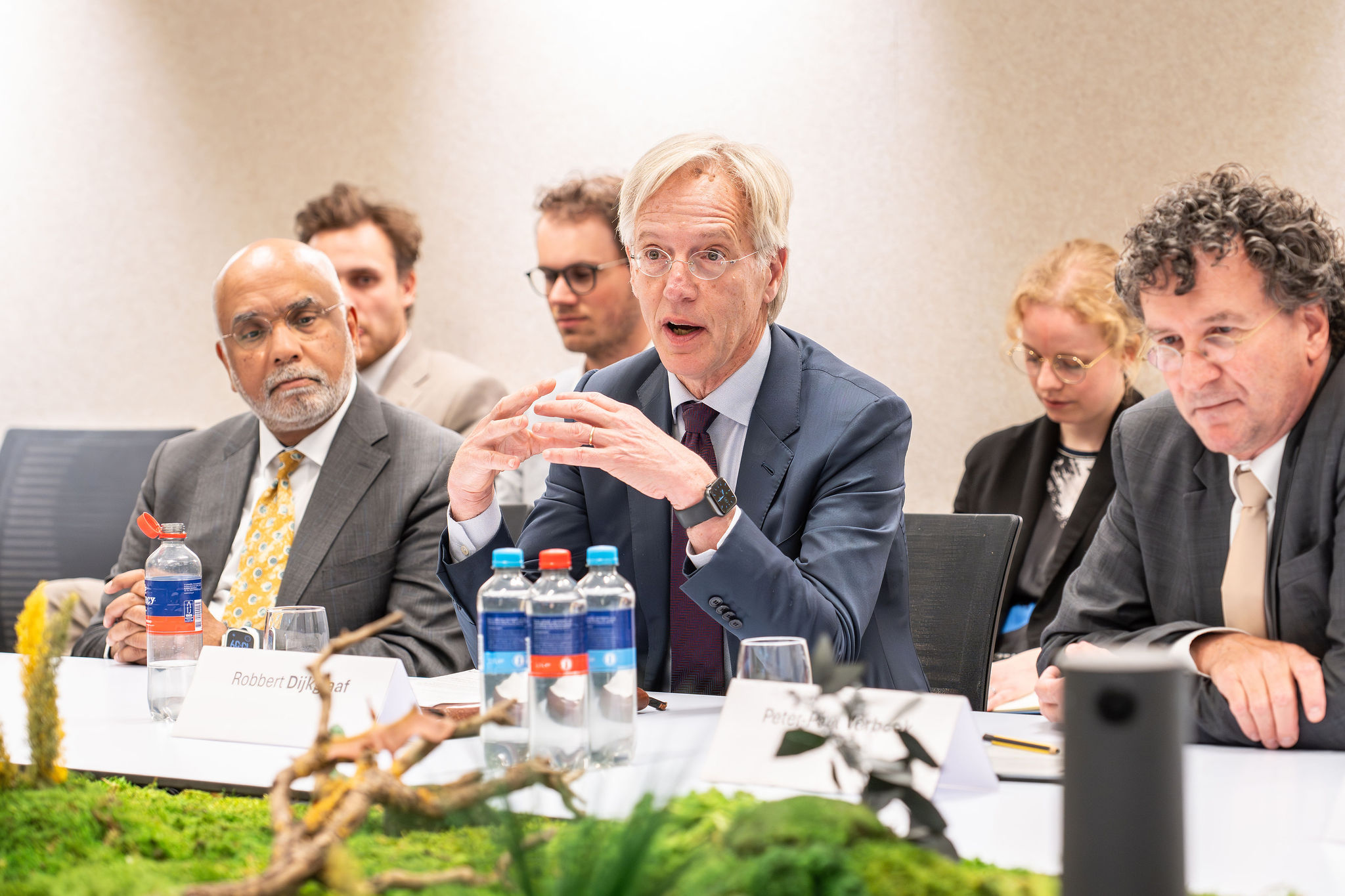
After the delegation was welcomed by Rector Peter-Paul Verbeek, Professor Robbert Dijkgraaf spoke about how research in the Netherlands is increasingly shifting from competition to collaboration. He also emphasized the importance of European cooperation. ‘We need Europe to be able to excel globally.’
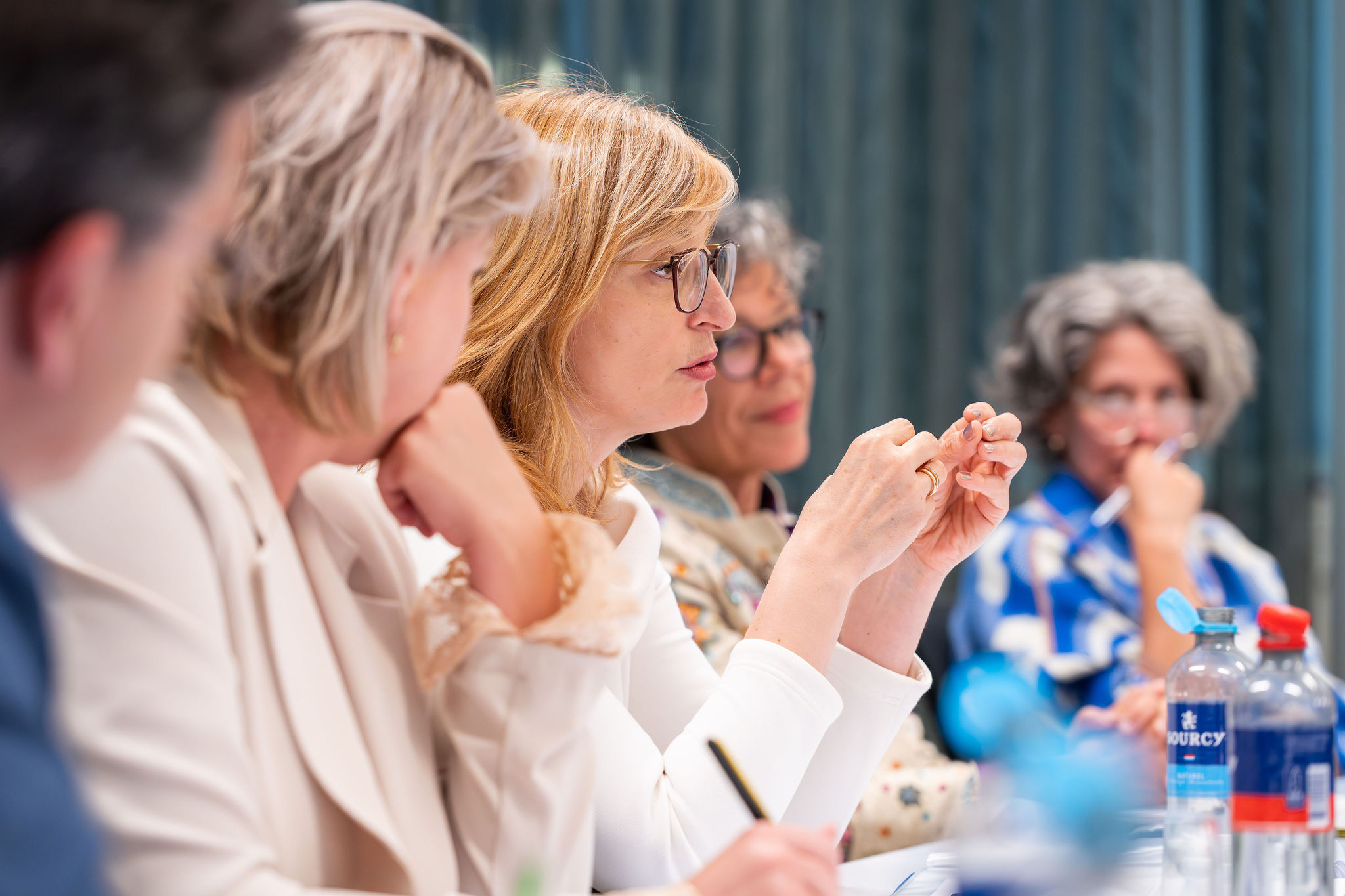
Zaharieva subsequently stated that research in Europe needs to be much better aligned and coordinated. ‘We want to support and expand the connections between ecosystems.’ She also pointed out the European Commission’s proposal to double the budget of Horizon Europe.
During the conversation, Rianne Letschert referred to the Draghi report on the future of European competitiveness, which was published in 2024. Based on this report, the Netherlands must make choices regarding which areas it wants to invest in. According to Letschert, it is important to make some of those choices together with the EU.
Investing in fundamental research
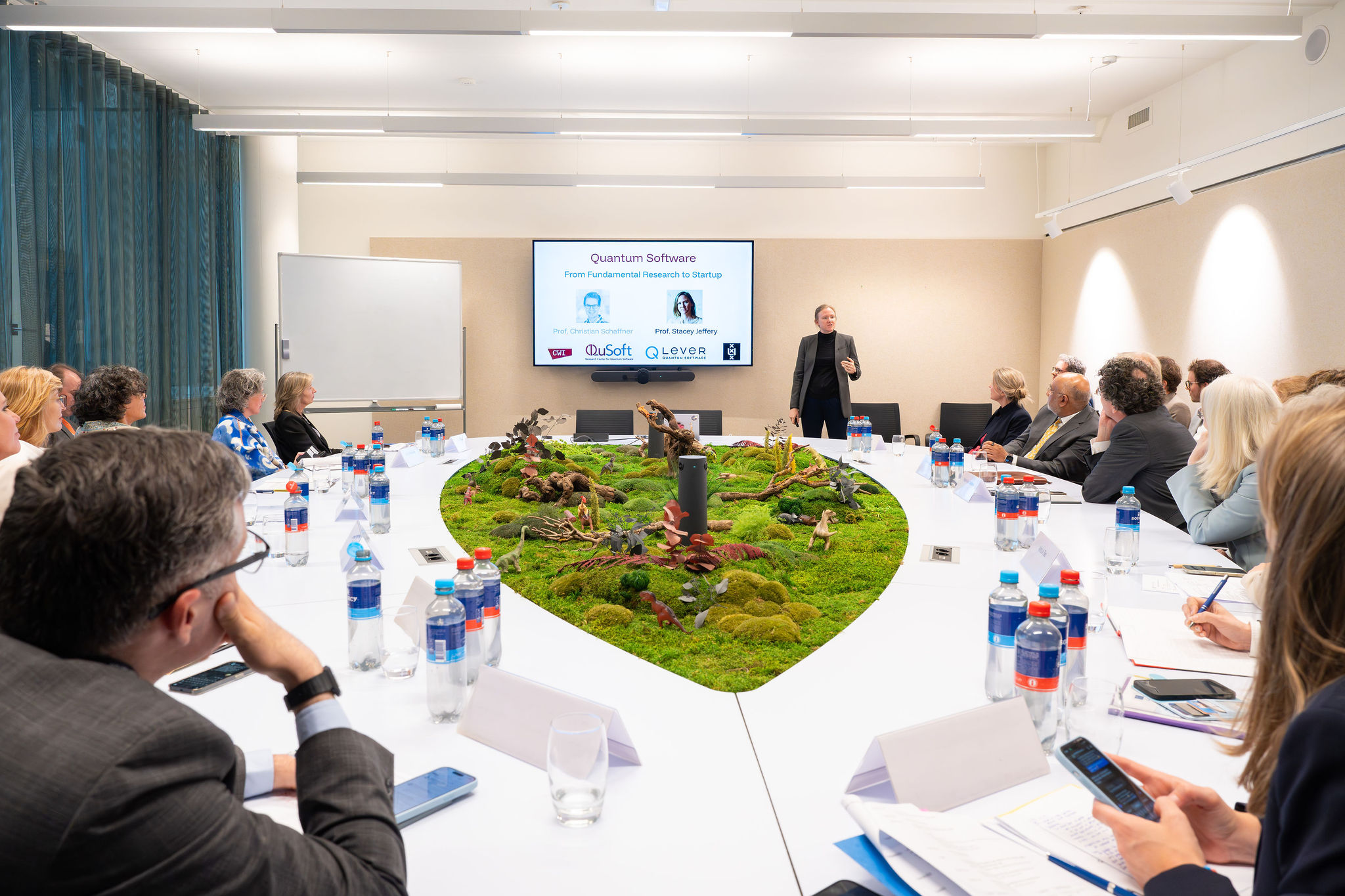
UvA researchers Christian Schaffner and Stacey Jeffery gave the delegation an introduction to quantum software research at the UvA. Schaffner spoke about the new Quantum Computer Science Master's program and the construction of LabQ, which will bring the quantum community together at the Amsterdam Science Park. Jeffrey underscored the importance of strategic investments in fundamental research for economic growth.
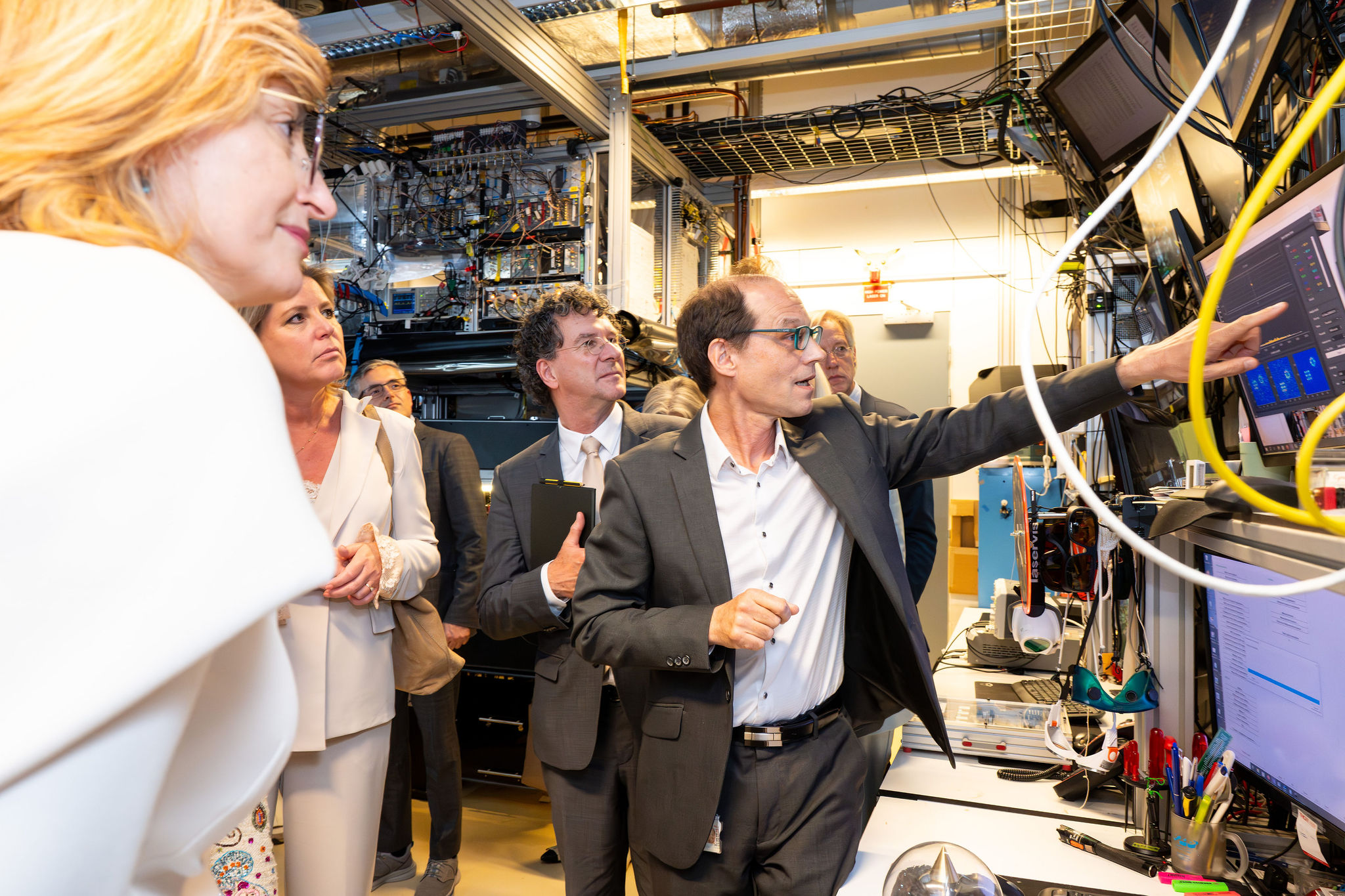
Subsequently, the visitors were given a tour of the quantum labs of Florian Schreck and René Gerritsma. The delegation got a look at the setups where the scientists use ultracold atoms to build quantum computers and quantum clocks, among other things. Schreck stated that all economic impact of these quantum applications stems from research, and that training people in quantum labs is essential for the advancement of the field.
Behind the scenes
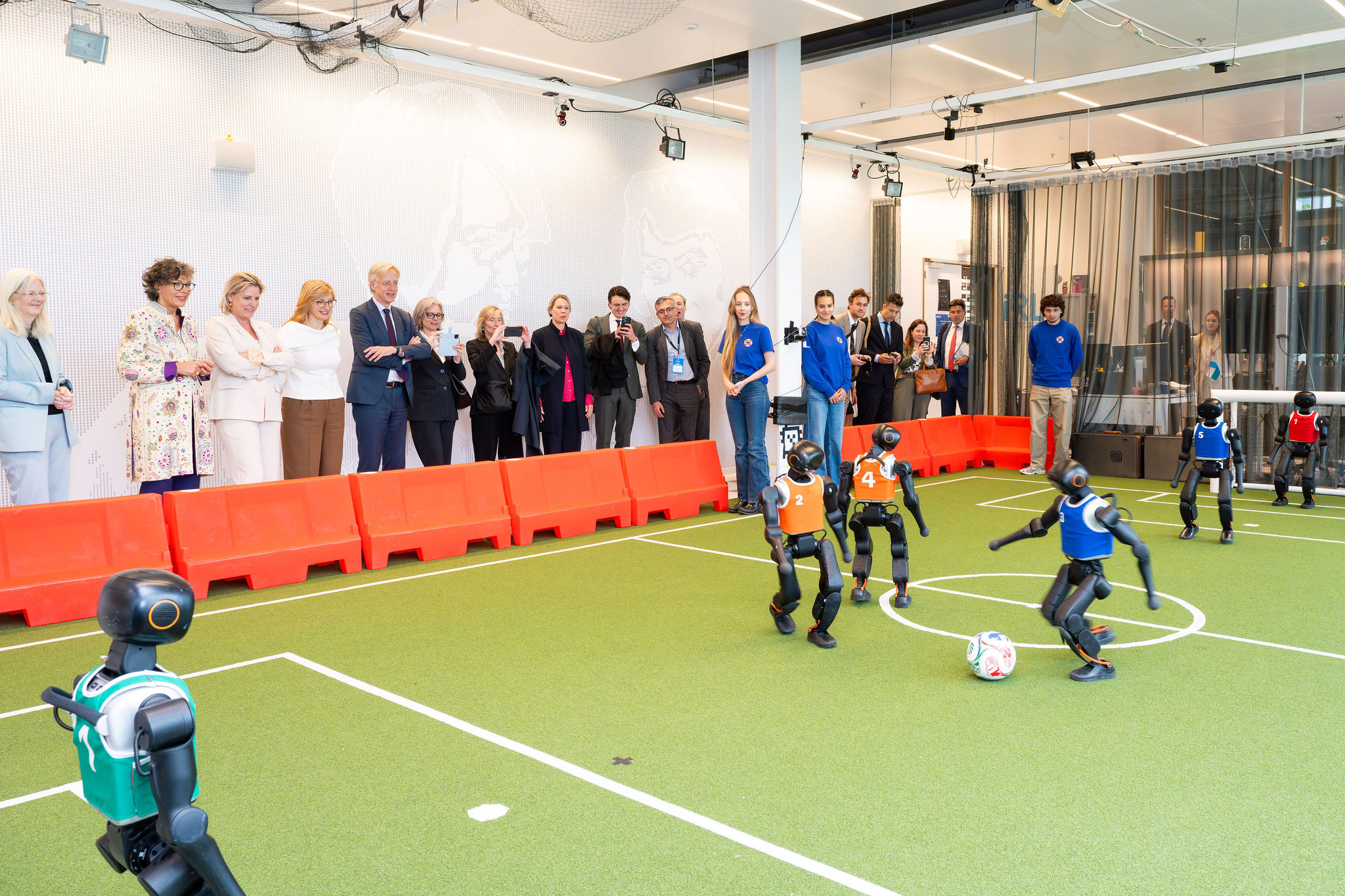
Afterwards, the delegation got a closer look at the latest developments in AI and technology at LAB42 – the international hub for talent development in the field of digital innovation. A live demonstration by UvA students of RoboLab – WhIRLwind was received with great enthusiasm.
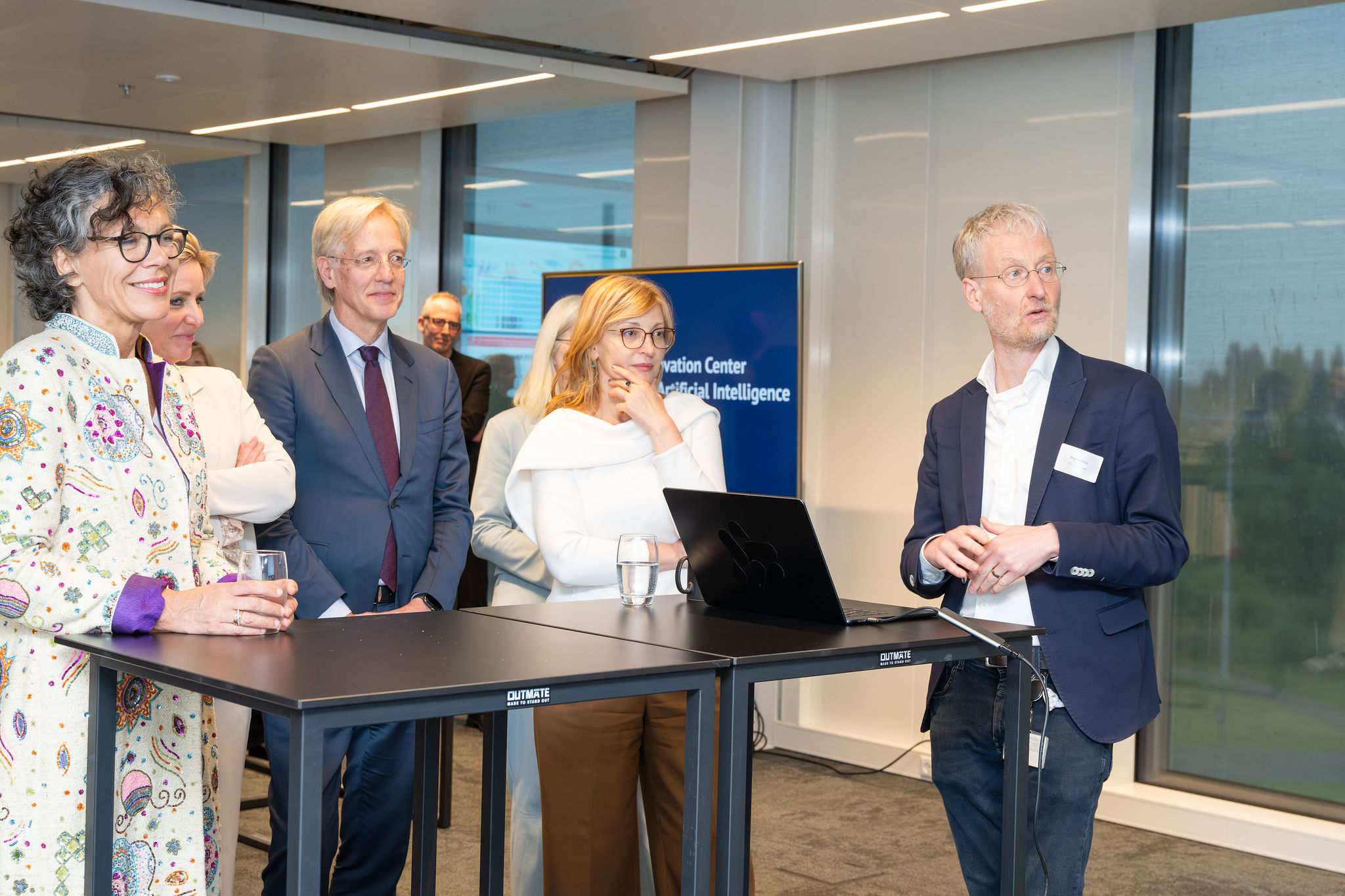
The visit concluded with a series of presentations on diverse AI research. During Professor Cees Snoek's presentation on the multilingual AI image generator NeoBabel, Zaharieva emphasized the importance of European coordination of this type of AI research.
The delegation showed great interest in the next steps for CuspAI, Professor Max Welling's company, and Ana Lucic's research project on AI-driven weather forecasting. Additionally, Professor Maarten de Rijke presented on the ICAI showlabs and Professor Sennay Ghebreab on the Civic AI Lab, which aims to deploy AI directly to address societal challenges.